Builders Waste Clearance in Earls Court
Understanding Builders Waste Clearance

Builders waste clearance is an essential service for anyone undertaking construction, renovation, or demolition projects in Earls Court. Proper disposal of construction debris not only ensures a clean and safe environment but also complies with local regulations.
Whether you're a homeowner or a professional builder, managing waste efficiently can save time, reduce costs, and minimize the environmental impact of your projects. In this comprehensive guide, we'll explore the various aspects of builders waste clearance in Earls Court, providing you with the knowledge needed to handle your waste effectively.
From understanding the types of waste generated during construction to the best methods for disposal, we've got you covered. Let's delve into the specifics of builders waste clearance and how it can benefit your next project.
Types of Builders Waste

Builders waste encompasses a wide range of materials generated during construction activities. Identifying these types is crucial for effective clearance and recycling. Common categories include:
- Concrete and Masonry: Includes broken bricks, blocks, and concrete remnants.
- Wood and Timber: Offcuts, pallets, and untreated wood.
- Metals: Scrap metal, including steel, copper, and aluminum.
- Plastics: Packaging materials, PVC pipes, and other plastic components.
- Drywall and Plaster: Damaged or excess drywall sheets and plaster scraps.
Proper categorization of waste ensures efficient recycling and disposal, reducing the strain on landfill sites and promoting environmental sustainability.
Regulations and Compliance
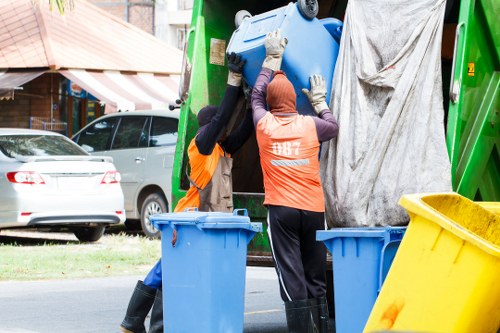
In Earls Court, builders are required to adhere to specific waste disposal regulations to maintain community standards and environmental protection. Failure to comply can result in hefty fines and project delays.
Key regulatory considerations include:
- Licensing: Ensure that waste clearance services are licensed and authorized to operate in Earls Court.
- Sorting and Recycling: Segregate waste materials for recycling, following local guidelines.
- Documentation: Maintain records of waste disposal to demonstrate compliance during inspections.
Working with reputable waste clearance providers can help manage these requirements efficiently, ensuring that your project remains on track and within legal boundaries.
Choosing the Right Waste Clearance Service

Selecting a reliable builders waste clearance service in Earls Court is vital for the smooth execution of your project. Consider the following factors when making your choice:
- Experience and Reputation: Look for companies with a proven track record and positive customer feedback.
- Range of Services: Ensure the provider offers comprehensive services, including collection, sorting, recycling, and disposal.
- Environmental Practices: Choose services that prioritize sustainable practices and adhere to recycling protocols.
- Cost-Effectiveness: Compare pricing structures to find a service that fits within your budget without compromising quality.
By carefully evaluating these aspects, you can partner with a waste clearance service that meets your project's specific needs and standards.
Benefits of Professional Waste Clearance

Engaging professional builders waste clearance services offers numerous advantages:
- Efficiency: Professionals can swiftly handle large volumes of waste, minimizing project downtime.
- Safety: Proper handling and disposal reduce the risk of accidents and health hazards on-site.
- Cost Savings: Efficient waste management can lower overall project costs by preventing fines and optimizing material reuse.
- Environmental Impact: Recycling and responsible disposal contribute to environmental conservation efforts.
These benefits highlight the importance of incorporating professional waste clearance into your construction workflow, ensuring a successful and responsible project outcome.
Steps in Builders Waste Clearance
Implementing an effective builders waste clearance process involves several key steps:
- Assessment: Evaluate the types and quantities of waste generated.
- Sorting: Separate recyclable materials from general waste.
- Collection: Arrange for timely pickup and transportation of waste.
- Recycling and Disposal: Ensure proper recycling and environmentally friendly disposal of non-recyclable materials.
- Documentation: Keep records of waste management activities for compliance purposes.
Following these steps ensures a streamlined waste clearance process, enhancing project efficiency and sustainability.
Eco-Friendly Disposal Practices
Adopting eco-friendly disposal practices is essential for minimizing the environmental footprint of your construction projects in Earls Court. Key practices include:
- Recycling: Recycle materials like metal, wood, and concrete to reduce landfill usage.
- Reuse: Salvage usable materials for future projects or sell them to reduce waste.
- Proper Sorting: Segregate waste at the source to facilitate efficient recycling and disposal.
- Composting: Organic waste can be composted, contributing to soil health and reducing methane emissions.
Implementing these practices not only protects the environment but can also lead to cost savings and improved project sustainability.
Cost Factors in Waste Clearance
Understanding the cost factors involved in builders waste clearance helps in budgeting and cost management for your project. Key factors include:
- Volume of Waste: Larger volumes typically incur higher disposal fees.
- Type of Waste: Hazardous or specialized waste may require additional handling and disposal costs.
- Collection Frequency: More frequent pickups can increase overall expenses.
- Location: Proximity to disposal sites and accessibility can affect pricing.
- Additional Services: Services like sorting, recycling, and documentation may add to the cost.
By understanding these cost factors, you can make informed decisions and manage your waste clearance budget effectively.
Scheduling and Planning
Effective scheduling and planning are crucial for seamless builders waste clearance. Consider the following tips:
- Plan Ahead: Schedule waste clearance in alignment with project milestones to avoid bottlenecks.
- Allow Adequate Time: Ensure there's sufficient time for waste collection between construction phases.
- Coordinate with Contractors: Communicate schedules with all involved parties to ensure timely waste management.
- Monitor Progress: Regularly review waste clearance activities to ensure they meet project timelines.
Proper planning minimizes disruptions and ensures that waste clearance integrates smoothly with your construction workflow.
Benefits for Homeowners
For homeowners undertaking renovations or smaller construction projects in Earls Court, builders waste clearance offers several benefits:
- Enhanced Safety: Reduces clutter and potential hazards in and around the home.
- Improved Aesthetics: Maintains a clean and organized environment during construction.
- Time Savings: Professionals handle waste clearance efficiently, allowing homeowners to focus on other aspects of the project.
- Environmental Responsibility: Ensures that waste is managed responsibly, contributing to a greener community.
These benefits make professional waste clearance an invaluable component of any home improvement project.
Choosing Sustainable Solutions
Opting for sustainable waste clearance solutions is increasingly important in today's eco-conscious world. Consider the following sustainable practices:
- Opt for Recycling: Choose waste clearance services that prioritize recycling to minimize landfill waste.
- Use Reusable Containers: Implement reusable containers for waste collection to reduce single-use plastics.
- Support Local Recycling Facilities: Partner with local facilities to support the community economy and reduce transportation emissions.
- Educate Your Team: Train your construction team on sustainable waste management practices.
Adopting these sustainable solutions not only benefits the environment but can also enhance your project's reputation and compliance with eco-friendly standards.
Innovations in Waste Clearance
The field of builders waste clearance is evolving with innovative technologies and methods that enhance efficiency and sustainability. Notable innovations include:
- Smart Sorting Systems: Automated systems that accurately sort waste materials for recycling and disposal.
- Waste Tracking Software: Digital tools that monitor waste generation, collection, and disposal processes.
- Eco-Friendly Disposal Methods: Advanced techniques that reduce the environmental impact of waste disposal.
- Mobile Apps: Applications that facilitate real-time scheduling and management of waste clearance services.
Embracing these innovations can significantly improve the effectiveness of your waste clearance processes, leading to better project outcomes and environmental stewardship.
Common Challenges and Solutions
Managing builders waste clearance in Earls Court comes with its set of challenges. Addressing these effectively ensures smooth project progression:
- Space Constraints: Limited on-site space can make waste storage difficult. Solution: Implement vertical storage solutions and schedule regular pickups.
- Variety of Waste: Diverse waste types require different handling methods. Solution: Partner with versatile waste clearance services that can manage various materials.
- Regulatory Compliance: Navigating waste disposal regulations can be complex. Solution: Work with knowledgeable professionals who are well-versed in local laws.
- Cost Management: Balancing waste clearance costs with project budgets. Solution: Plan and budget for waste disposal early in the project.
By proactively addressing these challenges, you can maintain efficient waste clearance operations and ensure project success.
Case Studies: Successful Waste Clearance Projects
Examining successful builders waste clearance projects in Earls Court provides valuable insights into best practices and proven strategies:
- Residential Renovation: A homeowner successfully managed waste clearance during a kitchen renovation by scheduling multiple pickups and prioritizing recycling.
- Commercial Construction: A construction company partnered with a waste clearance service that offered tailored solutions, resulting in timely project completion and cost savings.
- Public Infrastructure Project: Effective waste management strategies, including on-site sorting and collaboration with local recycling facilities, ensured the project's environmental compliance and success.
These case studies highlight the importance of strategic planning, collaboration, and the adoption of best practices in achieving efficient and sustainable waste clearance.
Future Trends in Builders Waste Clearance
The future of builders waste clearance in Earls Court is poised for significant advancements driven by technology and sustainability goals:
- Increased Automation: Automation in waste sorting and management will enhance efficiency and reduce human error.
- Advanced Recycling Technologies: Innovations in recycling technologies will enable more materials to be reused, reducing overall waste.
- Circular Economy Models: Embracing circular economy principles will promote the continuous reuse and recycling of materials.
- Enhanced Data Analytics: Data-driven approaches will optimize waste management processes and improve decision-making.
Staying abreast of these trends will allow builders and waste clearance services to adapt and thrive in a changing environmental landscape.
Conclusion
Builders waste clearance in Earls Court is a critical component of any construction or renovation project. By understanding the types of waste, adhering to regulations, choosing the right services, and embracing sustainable practices, you can ensure efficient and responsible waste management.
Investing in professional waste clearance not only enhances project efficiency and safety but also contributes to environmental preservation. As the industry evolves with new technologies and sustainable solutions, staying informed and adaptable will be key to successful waste management.
Contact us today to learn more about our builders waste clearance services in Earls Court and how we can assist you in managing your project waste effectively!
