Lillie Road flat rubbish removal after tenancy exit
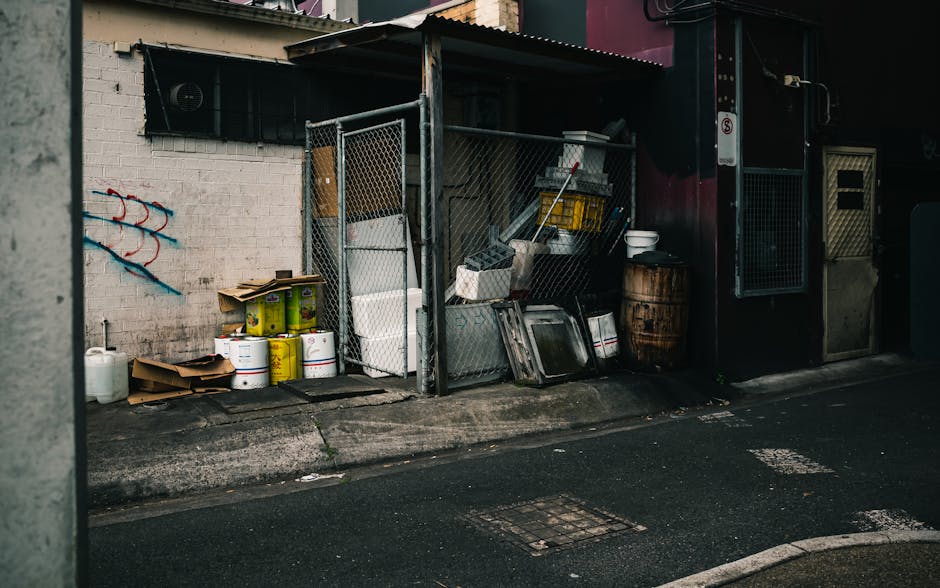
Moving out of a flat can feel like a strange mix of relief and panic. The keys are nearly handed back, the last suitcase is zipped, and then you spot it: the broken chair in the corner, the bag of mixed bits in the hallway, the old mattress, the half-empty storage shelf that somehow became a dumping ground. That is usually when Lillie Road flat rubbish removal after tenancy exit stops being a nice-to-have and becomes the thing that saves the day.
This guide explains how post-tenancy flat clearance works, what should happen before the final handover, and how to avoid the usual mistakes that lead to deductions, delays, or a very awkward final inspection. If you are a tenant, landlord, letting agent, or even helping a friend who has vanished into a van somewhere, you will find practical steps here, not fluff.
We will also cover what can be removed, how responsible disposal is handled, when a specialist flat clearance service makes more sense than doing it yourself, and how to plan the job so the place looks properly finished rather than just "mostly empty".
Why Lillie Road flat rubbish removal after tenancy exit Matters
At the end of a tenancy, rubbish is rarely just "rubbish". It is usually a mix of forgotten belongings, damaged furniture, packaging, food waste, old household items, and the awkward leftovers nobody claimed responsibility for. On a busy road like Lillie Road, where flats can be tight on space and access may be fiddly, leaving that mess until the last hour is asking for trouble.
The practical reason this matters is simple: a clean and empty flat helps protect the deposit, speeds up the handover, and reduces friction with the landlord or letting agent. But there is a wider point too. Post-tenancy rubbish removal often includes items that cannot be dumped in a communal bin, and some things need careful handling. An old appliance, a stained mattress, or a bag of mixed waste can become a problem if it is not removed properly.
There is also the matter of time. The last day of a tenancy is usually busy enough without wrestling a wardrobe down stairs or trying to figure out what counts as general waste, what needs separate disposal, and what should be recycled. Let's face it, nobody enjoys that on moving day.
For many people, the best outcome is a flat that is clearly ready for inspection: floors cleared, cupboards checked, loft or storage areas emptied, and no surprise pile in the corner behind the door. That kind of finish does more than look good. It reduces stress. And after a tenancy exit, stress reduction is worth quite a lot.
If you are also clearing larger amounts of mixed waste from a property, it can help to understand the broader service options on the site, including flat clearance and general waste removal, especially when the flat contains more than just a few bags.
How Lillie Road flat rubbish removal after tenancy exit Works
The process is usually straightforward, though the details matter. A good clearance starts with a quick assessment of what needs to go. That might include bagged rubbish, broken furniture, unwanted kitchen items, wardrobe contents, old appliances, or mixed clutter from storage spaces. Once the load is understood, the removal team can plan labour, vehicle space, and disposal routes properly.
In a typical tenancy-exit clearance, the team will arrive, sort items into practical categories, and remove everything agreed in advance. Reusable furniture may be separated where appropriate. Recyclable materials should be handled separately from general waste. Anything that needs special disposal, such as fridges or certain hazardous items, is treated more carefully. It sounds obvious, but the better the sort at source, the smoother the whole job tends to run.
For flats, access is often the part that makes or breaks the day. Narrow stairwells, limited parking, controlled entry, or awkward lift timings can all slow things down. That is why a proper pre-visit or at least a clear list of items is so useful. If you know the sofa will not fit through the door, say so early. No one wants that moment where everyone stands silently staring at a sofa that has become structurally committed to the building.
If the job includes furniture or appliance items, related services such as furniture clearance, furniture disposal, fridge and appliance removal, and mattress and sofa disposal may be relevant depending on the contents of the flat.
It is also worth remembering that not every "waste removal" job is identical. A one-bedroom flat with a few bags of exit rubbish is not the same as a furnished property that needs a full clear. The best service is the one that matches the actual condition of the flat, not just the postcode.
Key Benefits and Practical Advantages
The value of proper tenancy-exit rubbish removal goes beyond getting rid of visible mess. In real life, it can make the final day much calmer. You are not making repeated trips to the street. You are not filling your car with odd-shaped items that smell faintly of old takeaway and damp cardboard. And you are not trying to decode bin schedules under pressure.
- Faster handover: A cleared flat is easier for the landlord or agent to inspect.
- Less chance of deductions: Left-behind waste can lead to cleaning or clearance charges.
- Better access for cleaners and repairs: Empty rooms let the next team work properly.
- Safer movement: Removing bulky items reduces trip hazards in small hallways and stairwells.
- More responsible disposal: Items can be recycled, reused, or handled correctly.
There is a practical benefit that people often miss: a proper clearance can reduce the emotional weight of moving out. Once the flat is empty, the job feels finished. That matters more than you might expect, especially after a long tenancy where the place has picked up layers of life, clutter, and the occasional mystery cable.
For readers comparing service categories, it is useful to know that a tenancy-exit job may overlap with home clearance or house clearance if the property contains more than flat-pack leftovers and a couple of bin bags. A flat may be compact, but the amount of stuff can still surprise you.
Who This Is For and When It Makes Sense
This service is for anyone who needs a flat to be empty, tidy, and ready after a tenancy ends. That includes tenants moving out, landlords preparing for new occupants, letting agents coordinating same-day changeovers, and families helping someone leave a rental property in a hurry.
It makes sense in several common situations:
- The tenant has left behind rubbish, furniture, or unwanted household items.
- The final inspection is close and the flat still contains clutter.
- The lift is too small, the stairs are tight, or the access is awkward.
- You need the clearance done quickly and with minimal disruption.
- You want mixed waste handled responsibly rather than dumped in a rush.
It is also useful if the property has been lived in for a long time and the "exit clean" is really a mini clear-out. That is common, by the way. A few bins quickly become a lot of bins. Then there is the old bookcase. Then the broken fan. Then the spare chair that no one admits owning. Suddenly the whole flat feels like a storage unit with a kettle.
Commercial landlords and portfolio managers may also want a dependable solution if they deal with repeated tenancy turnover. If that sounds familiar, the broader business waste removal page may be helpful for understanding how waste collection can support ongoing property management needs.
Step-by-Step Guidance
If you want the process to go smoothly, do not start with the van. Start with the flat. The more clearly you define the job, the easier it becomes to clear it quickly and without surprises.
- Walk through the flat room by room. Check cupboards, under beds, balcony areas, storage nooks, and utility corners. People always forget one shelf.
- Separate what is staying from what is going. That means keys, documents, personal items, landlord fixtures, and anything the next occupant should not inherit.
- Group waste by type. Keep general rubbish, furniture, appliances, and any special items distinct where possible.
- Take note of bulky items and access issues. Measure awkward furniture if necessary. If it will need dismantling, mention it early.
- Book the clearance with enough time before handover. If possible, leave a little gap before checkout rather than doing it on the same minute.
- Confirm what can and cannot be taken. Some items need separate handling, especially hazardous or restricted materials.
- Do a final sweep before the team leaves. Open drawers, check behind doors, and look under radiators. Small things hide in the oddest places.
A useful habit is to keep one box labelled "keep" and one labelled "questionable". The questionable box is for the random bits you are not sure about and do not want to accidentally bin. It sounds low-tech, because it is. But it works.
If you are unsure whether your clearance includes old bedding, broken seating, or awkward appliances, the specific service pages for mattress and sofa disposal and fridge and appliance removal explain the sort of items that often need extra planning.
Expert Tips for Better Results
After a lot of post-tenancy clearances, one thing stands out: the easiest jobs are the ones where the client has done a little preparation. Not a massive amount. Just enough to remove uncertainty.
First tip: photograph the flat before the removal if you are a tenant and want a clear record of the condition. This is especially useful if there is any disagreement later about what was left behind. It takes two minutes and can save a lot of back-and-forth.
Second tip: make sure pathways are open. It sounds obvious, but a piled-up hallway can turn a thirty-minute job into a frustrating shuffle. Clear the route from the front door to the main rooms if you can.
Third tip: be honest about the volume. Understating the amount of waste tends to create stress. Overstating it can mean you pay for space you do not need. A rough description is fine, but give enough detail to be useful.
Fourth tip: ask how mixed items will be handled. Good operators should think about reuse, recycling, and safe disposal rather than just loading everything blindly. That is usually a sign they know what they are doing.
Fifth tip: if the tenancy exit has left personal papers, confidential mail, or old tenancy files mixed in with rubbish, sort those out carefully. A dedicated service such as confidential shredding may be appropriate for sensitive paperwork. Better safe than sorry, really.
One more thing: if the flat has a small balcony or a bit of outdoor clutter, do not forget it. A forgotten chair out there can become the final thing standing between you and a clean handover. Annoying? Absolutely.
Common Mistakes to Avoid
The same mistakes crop up again and again. None of them are dramatic, but together they can make a tenancy exit messier than it needs to be.
- Leaving the clearance until the final hour. This is the big one. Time pressure creates bad decisions.
- Assuming all waste can go together. Not everything should be loaded into one mixed pile without thought.
- Forgetting hidden storage areas. Cupboards, loft spaces, under-sink units, and bike stores are common trouble spots.
- Not checking access in advance. A narrow stairwell or parking restriction can affect the whole plan.
- Mixing personal items with rubbish. Once it is gone, it is gone. That one hurts.
- Ignoring bulky specialist items. Sofas, fridges, and mattresses often need different handling from general waste.
There is also a softer mistake: trying to do everything yourself when you are already tired. Moving out is exhausting. You are juggling key returns, cleaning, packing, paperwork, maybe a lift that keeps stopping on random floors. Sometimes the sensible move is to let someone else handle the waste while you focus on the rest.
Tools, Resources and Recommendations
You do not need fancy equipment to prepare a flat for rubbish removal, but a few simple tools make a noticeable difference. Heavy-duty bin bags, tape, labels, gloves, and a basic marker pen are all useful. A torch helps too, especially when checking behind cabinets or under beds where things seem to vanish into the dark.
If the flat has been occupied for a while, a step ladder or sturdy stool can help you safely inspect higher shelves. Just be sensible. Wobbling on a dining chair is not a strategy, whatever your uncle says.
For disposal planning, these service pages can help you understand different item types and how they fit into a broader clearance plan:
- recycling and sustainability for responsible handling and diversion from landfill where possible
- what can go in a skip if you are comparing clearance with skip-style disposal thinking
- garage clearance if the tenancy exit involves extra storage overflow
- loft clearance if a top-floor storage space has become a forgotten archive of life
In practice, the best resource is still a clear inventory of what needs removing. It sounds boring. It is boring. But it saves time.
Law, Compliance, Standards and Best Practice
When rubbish is removed from a tenancy exit, the important point is not just making it disappear. It needs to be handled lawfully and responsibly. In the UK, waste should only be passed to a legitimate carrier and managed through proper disposal routes. That is standard good practice, and it matters whether the job is small or large.
For tenants and landlords, the safest approach is to avoid fly-tipping, avoid leaving waste beside communal bins, and avoid assuming that an item is "someone else's problem". It probably is not. Also, if something contains sharp edges, liquid residue, electrical parts, or anything potentially harmful, it should be treated with extra care.
Health and safety is another real consideration. Lifting heavy furniture down stairs, carrying broken items through narrow corridors, and navigating wet or uneven communal entrances all carry risk. A proper clearance team should work with sensible manual handling practices and appropriate insurance. If you want to know more about the standards behind that, the site's health and safety policy and insurance and safety information are useful background reading.
Hazardous items deserve special mention. Paints, chemicals, certain cleaning agents, damaged batteries, and similar materials should not be treated like ordinary household rubbish. If a tenancy exit includes items of that type, check the relevant handling route first. The hazardous waste disposal page is the right place to start on the site.
Best practice is simple: keep waste streams sensible, keep access safe, and keep records where needed. If you are a landlord or agent, that can also help when explaining what was removed and why. Clear records beat fuzzy memories every time.
Options, Methods and Comparison Table
There are several ways to deal with tenancy-exit rubbish on Lillie Road, and the right option depends on volume, access, urgency, and what sort of items are involved.
| Method | Best for | Pros | Possible drawbacks |
|---|---|---|---|
| Self-clearance | Small amounts of bagged waste | Flexible, immediate, low upfront spend if you already have transport | Time-consuming, physical work, disposal rules still need care |
| Curbside collection with sorting beforehand | Simple, separated waste | Quick to load, easier to organise | Not suitable for bulky items or messy mixed loads |
| Professional flat rubbish removal | Mixed rubbish, bulky furniture, tight deadlines | Efficient, less stress, better handling of varied items | Needs planning and a clear description of the job |
| Full flat clearance | Almost emptying the property after move-out | Best for entire end-of-tenancy reset | May be more than you need for a small amount of waste |
In a lot of real-world tenancy exits, the answer is not one method forever. It is a mix. A tenant might pack personal items themselves, then use a professional service for bulky rubbish and an old sofa, which is a perfectly sensible split.
Case Study or Real-World Example
Here is a realistic example. A one-bedroom flat near Lillie Road had been occupied by a tenant for just over a year. By the final week, the main living room was clear enough, but the bedroom still held a broken wardrobe, a mattress, two bagged piles of mixed rubbish, a small appliance, and a few loose items in the cupboard. Nothing dramatic, but enough to create stress before checkout.
The tenant had already booked cleaners, so timing mattered. Rather than trying to squeeze everything into a personal vehicle over several trips, the clearance was organised as a single visit. The fragile or personal items were separated first, then the furniture and waste were removed in a sequence that kept the hallway open. The flat was left ready for cleaning, and the final handover was much calmer than it might have been.
What made that job work was not luck. It was preparation. The items were listed clearly, the access route was checked, and everyone knew which bits were staying. Simple, but effective. The sort of job that looks easy only after the hard part has been done properly.
That is usually the pattern with tenancy-exit rubbish removal. The service itself is only half the story. The other half is how clearly the move-out is organised. A bit of order at the start can save a lot of faff at the end.
Practical Checklist
Use this checklist before the final flat rubbish removal:
- Walk through every room, cupboard, storage area, and outdoor space.
- Remove personal documents, keys, chargers, and valuables first.
- Separate general rubbish from furniture, appliances, and special waste.
- Check whether anything needs dismantling before collection.
- Measure awkward items if access is tight.
- Make sure hallways and entrances are clear.
- Confirm parking or loading arrangements if needed.
- Keep hazardous or sensitive items apart.
- Allow time for a final sweep after the removal.
- Take photos if you want a record of the cleared condition.
If you can tick most of those off before the team arrives, the rest is usually much simpler. Honestly, that is the secret. Not glamorous, but it works.
Get a free quote today and see how much you can save.
Conclusion
Lillie Road flat rubbish removal after tenancy exit is really about making a difficult transition feel manageable. Whether you are dealing with a few leftover bags or a full flat of unwanted items, the aim is the same: clear the space properly, protect the handover, and avoid unnecessary stress.
The best results usually come from a bit of planning, honest item descriptions, and a service that understands how flats behave in the real world - narrow stairs, awkward corners, and all. Once the waste is gone, the flat feels different. Quieter, somehow. More finished.
And that, truth be told, is a good feeling at the end of a tenancy.
Frequently Asked Questions
What counts as Lillie Road flat rubbish removal after tenancy exit?
It usually means collecting and disposing of waste left behind when a tenancy ends, including bagged rubbish, broken items, furniture, appliances, and other unwanted contents in the flat.
Do I need a full flat clearance or just rubbish removal?
If only a small amount of waste is left, rubbish removal may be enough. If rooms still contain furniture, storage items, or multiple mixed loads, a fuller flat clearance is often the better fit.
Can old furniture be taken away after I move out?
Yes, in many cases it can. Items such as sofas, chairs, tables, wardrobes, and beds are commonly removed as part of tenancy-exit clearance, provided access and item type are confirmed first.
What should I do with a mattress left in the flat?
A mattress should be removed through an appropriate disposal route rather than left in a communal area. If it is part of a larger move-out clear, mattress disposal can be arranged alongside other waste.
How far in advance should I book post-tenancy rubbish removal?
As early as possible, especially if your handover deadline is tight. Even a short amount of planning helps with access, parking, and item identification.
Can fridges and other appliances be removed too?
Yes, but appliances should be identified in advance because they may need separate handling. Fridges, freezers, and similar items are best flagged before the visit.
What if there are hazardous items in the flat?
Hazardous items should not be mixed with ordinary rubbish. They need to be identified early and handled through the correct route, especially if they include chemicals, sharp materials, or contaminated waste.
Will rubbish removal help with my deposit return?
It can help reduce the chance of deductions related to left-behind waste or extra clearance charges. It does not guarantee anything on its own, but a properly cleared flat usually makes the handover much smoother.
Can I leave rubbish outside the flat for collection?
Only if it is arranged responsibly and allowed by the building or property rules. In many cases, waste should be removed directly rather than left in shared areas where it could create problems.
What is the difference between waste removal and furniture disposal?
Waste removal is broader and can cover mixed rubbish, whereas furniture disposal is focused on larger household items like tables, sofas, beds, or wardrobes. Tenancy-exit jobs often need both.
Is it better to clear the flat myself or use a specialist service?
If there is only a small amount of light rubbish, self-clearance may be fine. If you are short on time, dealing with bulky items, or have access issues, a specialist service is usually the calmer option.
What should I check before the team arrives?
Check the rooms, cupboards, storage areas, and any hidden corners. Make sure personal items are removed, access is clear, and the waste list is accurate. That small bit of prep pays off.
Where can I learn more about the company and its policies?
You can review the site's about us, pricing and quotes, payment and security, and terms and conditions pages for more background before booking.
For a straightforward next step, you can also use the site's book online page if you are ready to arrange the clearance.