Earls Court Station rubbish removal guide for commuters
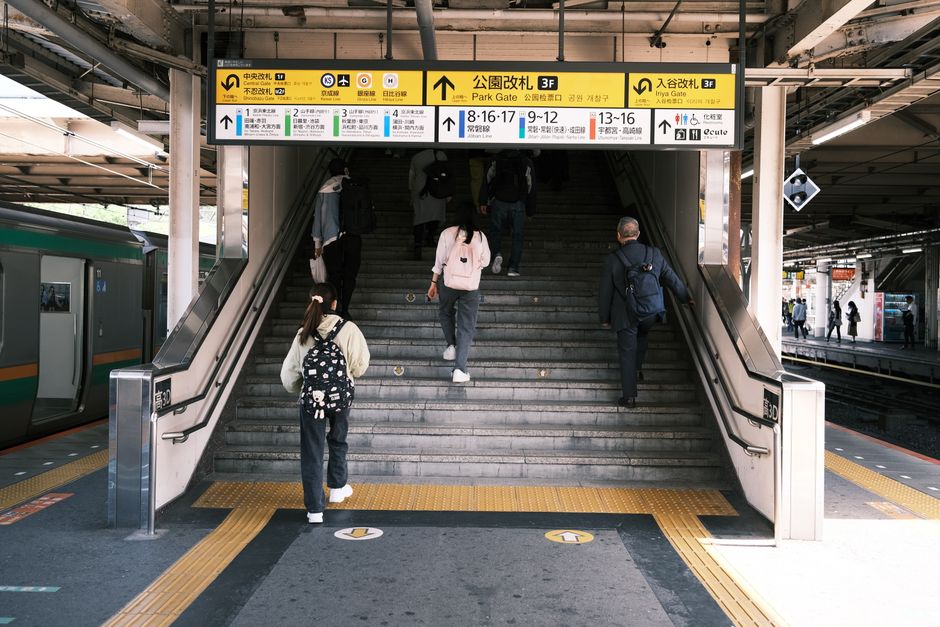
Dragging a bin bag through a busy station is nobody's idea of a smooth commute. If you're heading through Earls Court and suddenly find yourself with broken office bits, a flattened suitcase full of packaging, or that one awkward item you've been meaning to deal with for weeks, this Earls Court Station rubbish removal guide for commuters is here to make life simpler. The aim is straightforward: help you understand what to do, what not to do, and how to choose a sensible, low-stress rubbish removal option without turning your day into a logistical mess.
In practice, the best approach is usually the quickest one that keeps you compliant, keeps the station clear, and doesn't leave you lugging bulky waste across London at rush hour. Let's face it, commuters already have enough to think about. So below, you'll find a practical guide covering the process, the benefits, the common mistakes, and the best ways to handle waste near Earls Court in a way that actually fits real life.
Why Earls Court Station rubbish removal guide for commuters matters
Earls Court is one of those places where time disappears quickly. You come out of the station, weave through foot traffic, dodge the usual London hurry, and suddenly that "small bit of rubbish" doesn't feel small anymore. A commuter-focused rubbish removal guide matters because waste problems in and around the station tend to be awkward, time-sensitive, and easy to get wrong.
Maybe you're travelling with a bag of old stock from a small business, a box of packaging from a new flat, or a bulky item that simply will not fit in a standard bin. You might be between meetings, on a tight connection, or trying to clear a place before heading home. In all of those situations, the choice is less about "what is the cheapest?" and more about "what is the cleanest, safest, quickest solution?"
There's also the simple reality of public space. Leaving waste in the wrong place can cause nuisance, block pavements, attract fines, or create a mess for everyone else. Around a busy station, the margin for error is tiny. A bag left near a doorway or on the platform edge can become everybody's problem in minutes. Not ideal.
If you're organising a wider clear-out, it can help to think beyond the station itself and look at the type of waste you have. Mixed household waste, old furniture, and light commercial rubbish all need slightly different handling. That is where a broader service like waste removal can be useful, especially if you want one tidy solution instead of juggling several trips.
How Earls Court Station rubbish removal guide for commuters works
The basic process is usually simpler than people expect. First, identify what kind of waste you have. Then decide whether it can be carried safely, sorted for recycling, or needs special handling. After that, choose the disposal method that best suits your schedule.
For a commuter, the important part is not overcomplicating things. You're not trying to run a mini depot from the ticket hall. You're trying to remove waste efficiently, with minimum disruption. In many cases, a professional collection can be arranged so that the item or bags are picked up from a nearby location rather than carried through the station. That is the practical win.
Some items are straightforward. Cardboard, bagged household rubbish, and clear-out leftovers often fit into a standard collection plan. Others need more care. Refrigeration units, old mattresses, broken furniture, and anything classed as hazardous must be separated and handled properly. If you're dealing with those, you may need a more specialist option such as fridge and appliance removal, mattress and sofa disposal, or hazardous waste disposal.
The other thing to understand is timing. Commuter waste removal works best when planned around your journey, not against it. If you know you'll be passing through Earls Court at 8:10 and again at 6:20, a collection window or pre-booked service can save a surprising amount of stress. A five-minute delay can feel like half an hour when everyone's moving fast. We've all been there.
Key benefits and practical advantages
The biggest benefit is obvious: less hassle. But there are a few more advantages that matter just as much in real commuter life.
- Less time spent carrying rubbish: No wrestling with heavy bags on the Tube stairs or through narrow pavements.
- Cleaner travel routines: You can clear waste before it starts taking over your hallway, office corner, or flat entrance.
- Better compliance: Proper disposal lowers the risk of leaving items in unsuitable places or mixing waste streams incorrectly.
- Less disruption to neighbours and colleagues: Handy if you live in a flatshare or work in a small office near the station.
- More efficient recycling: Segregating materials improves the chances that reusable or recyclable items are handled correctly.
There is also a psychological benefit that people underestimate. Clearing waste tends to remove a bit of background noise from the day. A heap of cardboard by the door or an old chair in the corner can become a low-level irritation. Once it's gone, the space feels lighter. Bit dramatic perhaps, but true.
If you're handling business waste as part of your commute, you may want to look at business waste removal or office clearance so the waste is dealt with properly and doesn't end up being moved around by staff out of necessity. For home-based commuters, home clearance or flat clearance may fit better.
Who this is for and when it makes sense
This guide is mainly for commuters, but the category is wider than it first looks. If you travel through Earls Court regularly and have any of the following, this is likely relevant:
- you've just moved into a flat and have packaging to get rid of;
- you work nearby and need to dispose of office clutter;
- you're clearing out a storage space, garage, loft, or spare room;
- you've bought furniture and need the old piece removed;
- you're a landlord, letting agent, or property manager handling a quick turnaround;
- you're a tradesperson finishing a small job and need rubble or offcuts collected;
- you simply don't have time for multiple recycling centre trips.
It also makes sense when timing is tight. Maybe you have a train to catch and only a short window before you leave. Maybe your building has awkward access and you'd rather not move a sofa down two flights of stairs at 7 a.m. Either way, you need a plan that works with the day you actually have, not the one you wish you had.
For bulkier domestic jobs, services like furniture clearance, house clearance, loft clearance, and garage clearance can be more practical than trying to handle everything between appointments.
Step-by-step guidance
Here's a simple way to approach rubbish removal near Earls Court without making it harder than it needs to be.
- Sort the waste first. Separate general rubbish, cardboard, reusable items, electricals, and anything hazardous. It sounds basic, but sorting early saves real time later.
- Check for bulky or specialist items. A chair is one thing; a fridge is another. A bag of paper is one thing; confidential documents are another. If you have sensitive paperwork, consider confidential shredding.
- Decide whether you can move it safely. If the item is heavy, sharp, dusty, awkward, or too large for public travel, do not force it through your commute. That just creates risk.
- Choose a service or disposal route. This could mean a pre-booked rubbish collection, a dedicated item removal service, or, where appropriate, a skip-related solution. If you're comparing skip use, the page on what can go in a skip is a sensible starting point.
- Set aside a clear pickup point. If a collection is arranged, make access easy. A tidy doorway or designated loading space is much better than last-minute moving around the pavement.
- Keep travel plans separate from waste handling. If you're commuting that day, pack your journey essentials first. Your rubbish should not be the thing that delays you or leaves you rummaging for an Oyster card while balancing a box.
- Confirm pricing and payment details before the day. That avoids awkward surprises. If needed, review pricing and quotes and payment and security in advance.
One small but useful habit: take a quick photo of the waste before collection. Nothing fancy, just enough to remind yourself what's being removed. It helps with organisation and avoids that "was the lamp included?" moment later on.
Expert tips for better results
Here are the things that usually make the biggest difference, especially if you're short on time.
- Keep waste dry and accessible. Wet cardboard and mixed rubbish are heavier, messier, and slower to move.
- Bundle similar items together. A neat stack of cardboard or separated bags is easier to lift and load than a loose jumble.
- Identify awkward items early. Old appliances, mattresses, and mixed materials can need different handling, so don't leave them until the last minute.
- Think about recycling first. Reuse and recycling are often the cleanest path, especially for cardboard, metal, wood, and some furniture items.
- Plan around peak travel times. Earls Court can feel busy before and after work. If your pickup can be scheduled outside those windows, you'll usually have a calmer experience.
- Use the right service for the right job. Builders' debris should not be treated the same as household clutter. For renovation leftovers, builders waste clearance is a more suitable route.
A good rule of thumb? If carrying the item yourself feels like a nuisance, it is probably already too annoying for a rushed commute. That's your cue to simplify.
Common mistakes to avoid
Most problems come from trying to do too much in too little time. A few common mistakes show up again and again:
- Leaving waste outside too early. In a busy area, that invites complaints, weather damage, and sometimes opportunistic mess.
- Mixing general waste with restricted items. Electricals, chemicals, and refrigerants are not throw-and-go materials.
- Underestimating weight. A bag that looks manageable can feel very different after a 10-minute walk and a set of station stairs.
- Assuming any service will take anything. A proper provider will explain exclusions rather than bluffing their way through. That's a good sign, actually.
- Ignoring access issues. Narrow hallways, parking limits, and one-way streets can affect how quickly items are removed.
- Forgetting safety gear. Gloves, closed shoes, and sensible lifting habits matter more than people think. A bruised hand at 8 a.m. is a dreadful start to the day.
If you're unsure about handling a hazardous or potentially unsafe item, do not guess. Read the service guidance, check the item type, and choose the safer route. A cautious decision is usually the right one here.
Tools, resources and recommendations
You do not need a van full of equipment to manage rubbish removal well, but a few simple tools make the process much smoother.
- Heavy-duty bags or boxes: better for sorting and preventing splits on the move.
- Gloves: useful for broken edges, dusty items, and mixed household waste.
- Marker pen and labels: handy if you're separating items for recycling, shredding, or specialist removal.
- Measuring tape: surprisingly useful for confirming whether a sofa, fridge, or cupboard will fit through tight spaces.
- Phone camera: great for quick records of what's being cleared.
For a smooth customer journey, it also helps to understand the provider's wider policies. Pages such as health and safety policy, insurance and safety, and recycling and sustainability can give you a better feel for how the business operates and what standards it follows.
If you want to learn more about the company behind the service, you can also visit the about us page. For practical next steps, book online is often the fastest route when your schedule is tight.
Law, compliance, standards, or best practice
Waste disposal in the UK is not something to treat casually. The exact obligations depend on the type of waste and who produced it, but the broad principle is simple: waste should be stored, transported, and handled responsibly, and the person producing it has a duty to make sensible choices about how it is passed on.
For commuters and local residents alike, best practice usually means:
- keeping rubbish out of public walkways and station areas;
- separating hazardous or specialist items from general waste;
- using a provider that explains what can and cannot be collected;
- being clear about access, item type, and volume before collection;
- avoiding fly-tipping or "temporary" dumping outside buildings.
Compliance is not just a technical issue. It protects neighbours, station users, cleaners, and the street around you. It also protects you from the unpleasant business of trying to explain why a sofa ended up where it definitely should not have been. Not a conversation anyone wants.
For sensitive business material, confidential handling is worth taking seriously. For mixed household or commercial clear-outs, choose a service that is transparent about sorting, recycling, and disposal routes. The point is to keep things lawful and tidy, not to improvise.
Options, methods, or comparison table
If you're deciding how to deal with waste around Earls Court Station, these are the main options people tend to compare. The right one depends on quantity, timing, and how much lifting you want to do yourself.
| Method | Best for | Pros | Watch-outs |
|---|---|---|---|
| Self-carry to disposal point | Very small amounts of bagged waste | Simple in theory, minimal booking | Time-consuming, awkward at peak hours, not suitable for bulky items |
| Booked waste collection | Mixed rubbish, clear-outs, commuter-friendly removals | Fast, flexible, reduces lifting and travel stress | Needs planning and accurate item details |
| Specialist item removal | Appliances, mattresses, furniture, sensitive waste | Safer and more appropriate for awkward materials | Not every item fits the same collection type |
| Skip-based disposal | Ongoing works or larger home projects | Useful for repeat disposal over a project period | Space, permits, and loading rules may affect suitability |
For many commuters, the middle two options are the sweet spot. They are fast enough to fit around a working day, but organised enough to avoid the "I'll deal with it later" trap. And later, of course, becomes next month.
Case study or real-world example
Here's a realistic scenario. A commuter lives in a compact Earls Court flat and has just replaced a desk, a swivel chair, and three boxes of packaging after a home office refresh. The items are too bulky for normal bins, and the building corridor is narrow enough that carrying them down in stages would be irritating for everyone involved.
Instead of trying to move everything before a morning train, they sort the waste the night before: cardboard together, furniture together, small mixed waste bagged separately. The next day, they arrange a collection window that fits around their commute. The result is predictable and calm. No last-minute stress, no dragging heavy items through the station, no awkward pile-up by the front door.
A slightly different version of this happens with small business owners too. A consultant works nearby, clears out old files, and needs confidential documents handled properly. The obvious answer is not "stick them in the recycling bag and hope for the best." A dedicated route like confidential shredding is the better fit, because the method matches the material.
Expert summary: If waste is easy to describe, easy to separate, and easy to access, the whole job gets simpler. If it is mixed, awkward, or time-sensitive, use a specialist collection rather than trying to force it into a commuter schedule.
Practical checklist
Use this quick checklist before you set off or book a collection.
- Have I sorted general waste from specialist items?
- Do I know whether any item needs special handling?
- Is anything sharp, wet, broken, or unusually heavy?
- Have I measured bulky furniture or appliances?
- Is the pickup point easy to access?
- Have I checked the booking time against my commute?
- Have I reviewed pricing and payment details?
- Do I know what will happen to the recyclable material?
- Is confidential or hazardous waste separated already?
- Have I kept pathways clear for other people?
Small checklist, big difference. A ten-minute bit of prep often saves an hour of headaches later.
For most commuters, the smartest next step is to choose a removal option that fits the item type and the journey you already have to make. If you need clarity on pricing, booking, or service coverage, a direct look at pricing and quotes and contact us can help you move from "I should sort this" to "done."
Get a free quote today and see how much you can save.
Conclusion
The simplest way to think about rubbish removal near Earls Court Station is this: keep it practical, keep it safe, and keep it off your commute whenever possible. For small bags, sensible sorting may be enough. For bulky, awkward, confidential, or hazardous waste, a proper collection service is the cleaner and calmer answer.
That is really the heart of this guide. Use your time well, avoid carrying more than you need to, and choose a disposal method that respects both your schedule and the street around you. A little planning goes a long way. Honestly, it makes the day feel much lighter.
If you want to understand how the business operates behind the scenes, you may also find the terms and conditions and privacy policy useful for the fine print. And if you value environmentally responsible handling, the recycling and sustainability page is worth a look too.
When the waste is gone, the whole commute feels a bit easier. Cleaner steps, clearer head, less clutter. Simple as that.
Frequently Asked Questions
What is the easiest way to handle rubbish removal near Earls Court Station?
For most commuters, the easiest option is a pre-booked collection that matches the type and amount of waste you have. That avoids carrying rubbish through the station and keeps the process tidy.
Can I bring bulky rubbish on the Tube or through the station?
You can physically carry some items, but that does not always mean you should. Large or awkward waste is often better handled through a proper removal service because it is safer and less disruptive.
What kinds of waste are usually easiest to remove?
Bagged general rubbish, flattened cardboard, and small loose items are usually the simplest. Once you get into furniture, appliances, or mixed materials, things become more complicated.
Do I need a specialist service for a fridge or washing machine?
Yes, specialist handling is usually the right choice for appliances. Items like these can need careful transport and separate processing, so fridge and appliance removal is the more suitable route.
Is rubbish removal useful for commuters who work nearby rather than live nearby?
Absolutely. Office clutter, packaging, confidential paperwork, and small bulky items can all build up during the working week, especially if you travel in and out of Earls Court regularly.
How do I know if waste is hazardous?
If it contains chemicals, sharp contamination, or materials that need special care, treat it cautiously. When in doubt, do not mix it with general rubbish; choose a service that can advise on hazardous waste disposal.
Can I book rubbish removal for the same day?
Sometimes yes, depending on availability and the details of the job. If your schedule is tight, it is best to check booking options early rather than assuming a slot will be open later.
What should I do with old furniture from a flat near the station?
For furniture, a dedicated clearance service is usually the most sensible option. Depending on the item, furniture clearance or furniture disposal may be the better fit.
How can I keep the process quick on a busy commute day?
Sort everything the night before, keep the pickup location clear, and confirm your booking details in advance. If you are carrying anything yourself, travel light and leave enough time so you are not rushing.
Is there a difference between home clearance and house clearance?
In practice, the terms are often used for similar kinds of property clear-outs, but the best choice depends on the amount of waste and the scale of the job. A smaller flat refresh may suit home clearance, while a larger property clear-out may call for house clearance.
What if I need to clear office rubbish as well as personal waste?
That happens a lot, actually. Mixed needs are common around commuter areas. For workplace items, office clearance or business waste removal is usually the better route than trying to handle it piecemeal.
How do I find out more about the company before booking?
Read the company information pages, check the service details, and look at the policies that matter to you. The about us, health and safety policy, and recycling and sustainability pages are good starting points.
What is the best next step if I am not sure what service I need?
Start by describing the waste clearly: what it is, how much there is, and where it is located. From there, a quick quote or direct enquiry can point you to the right solution without overbuying or underplanning. A calm first step is usually the best one.